Welcome to Rocky’s Road!
Welcome, friends and family! Thank you for visiting our site and showing your support. We hope you find joy and solace on our page.
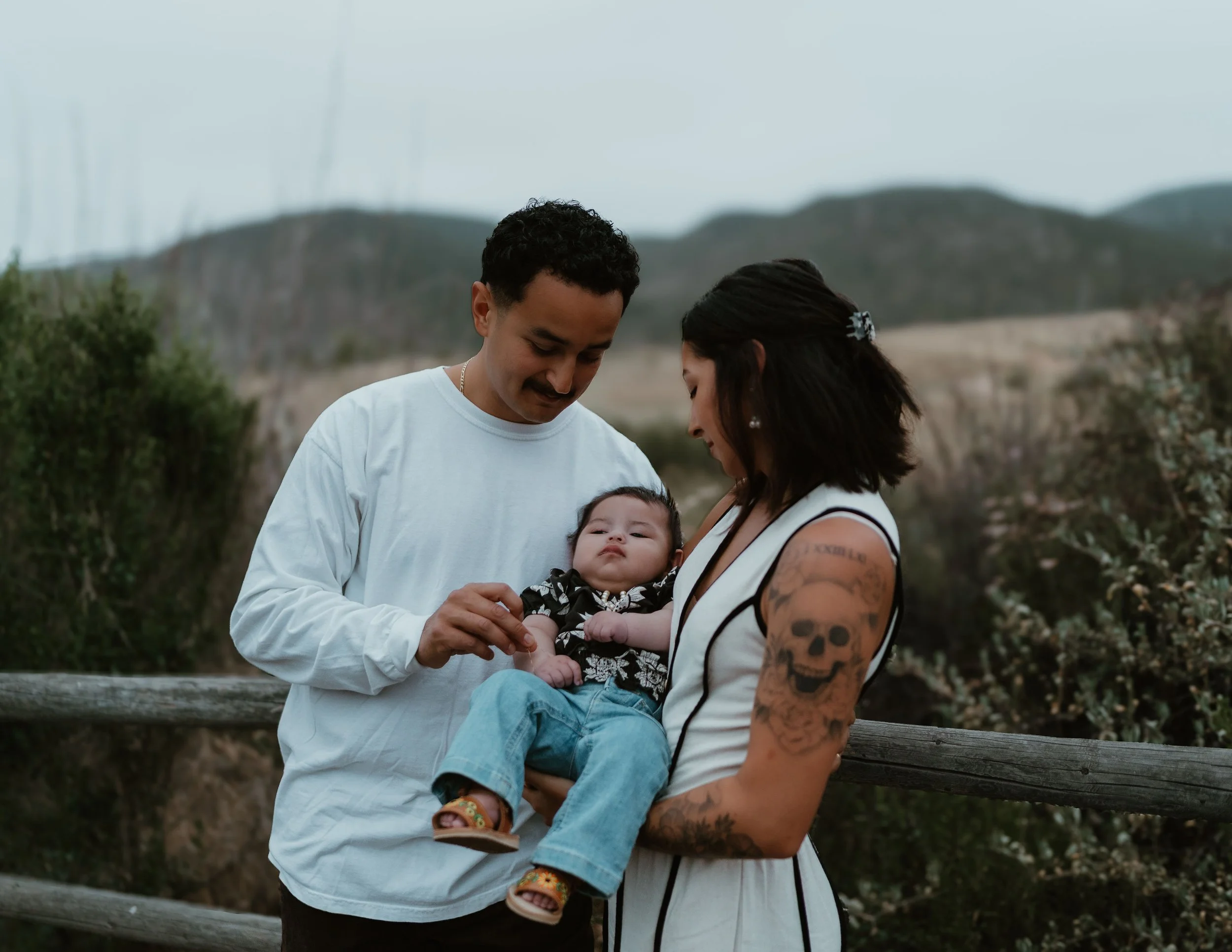
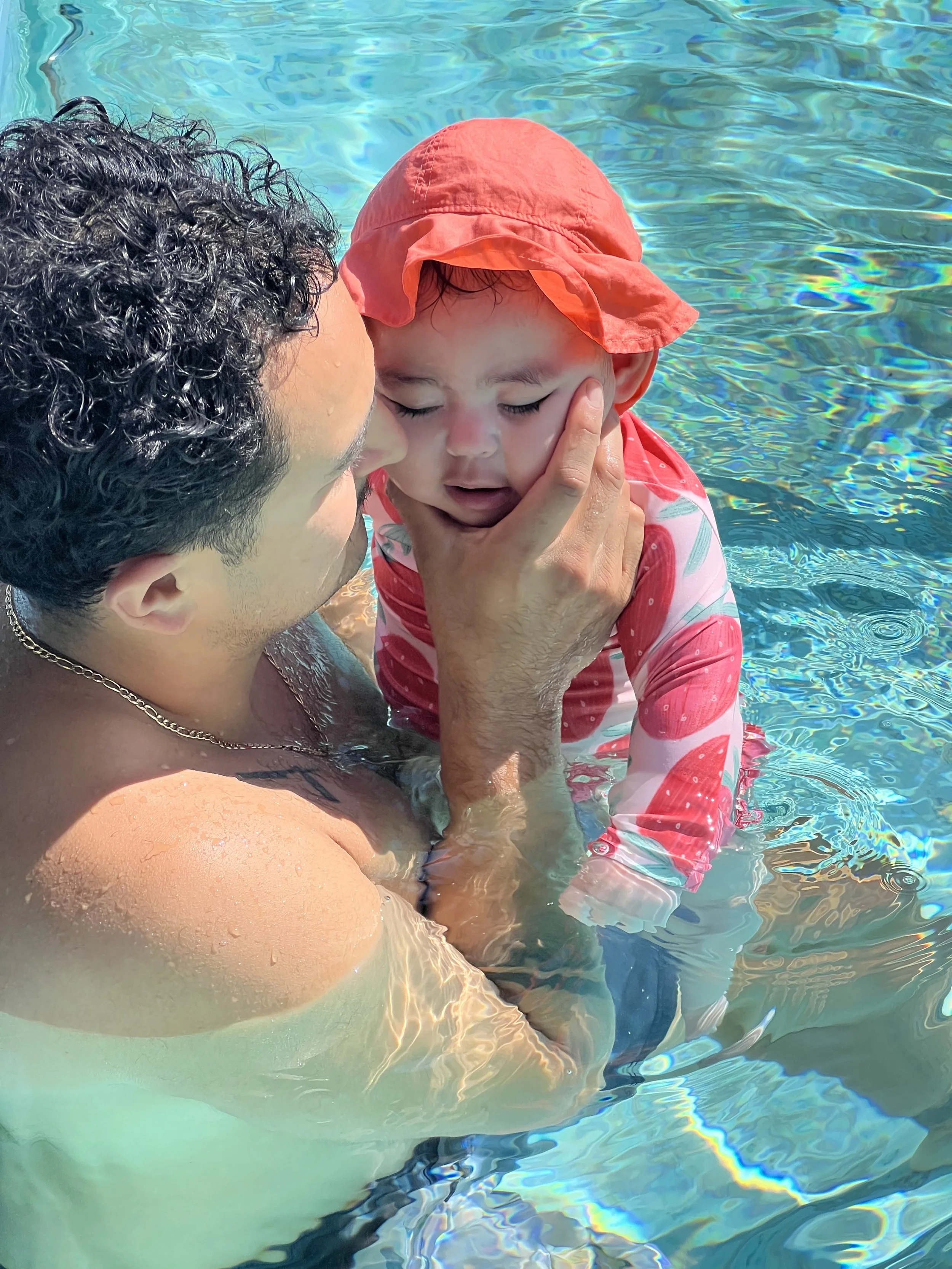
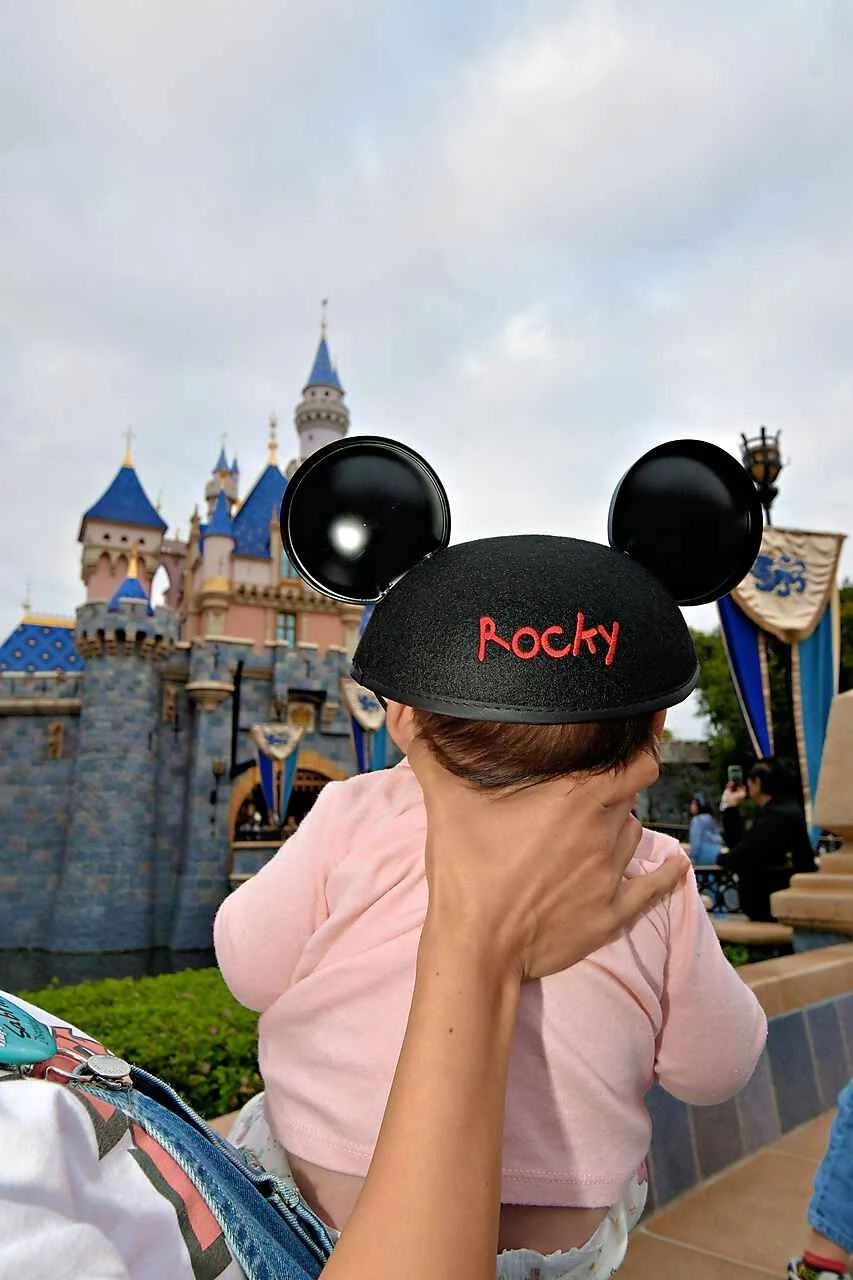
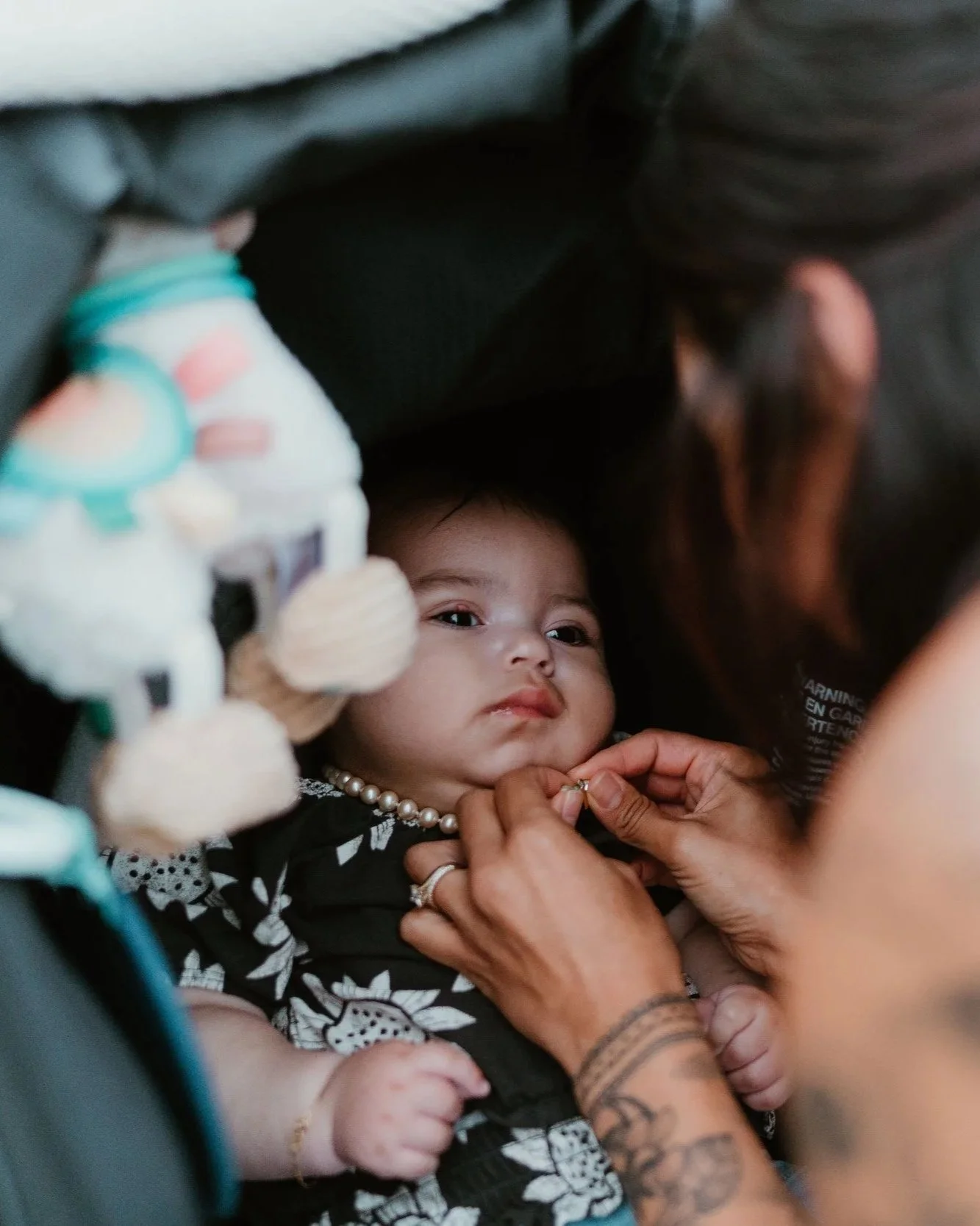
Let me introduce ourselves! In our family we have mom (Sabrina), dad (Joe), and Raquel (Rocky). We created this website for families of special kiddos who are in need of joy and support while navigating the confusing and difficult process of caring for a medically complex child. We are here to remind you that you are not alone, and that we understand the deep love and fear that you feel for your child.
Rocky was born with a rare, genetic, mitochondrial disease called Pontocerebellar Hypoplasia Type 6. It is terminal. We did not know about her disease before she was born, and we did not know how much it would change our lives. The first year of her life was mostly in the hospital. She has uncontrollable seizures, low muscle tone, gastrointestinal issues, a feeding tube and more. We were told she may only live to be about a year old and that she’d suffer from being globally developmentally delayed. Our sweet girl will be two years old soon and is defying odds. She is showing what it is to be strong and persevere. She has taught us to love unconditionally.
Below you will find:
A Thousand Kisses a Day, a book mom wrote to illustrate Rocky’s strength
More on Pontocerebellar Hypoplasia Type 6
Things we love for Rocky, or that Rocky loves
Our social media
A Thousand Kisses a Day
During one of our hospital stays I (mom) couldn’t sleep. Overly exhausted, frustrated, and filled with anxiety, I picked up my notebook and pen and decided to write. What came out was unexpected because it wasn’t frustration or how exhausted I was. Instead, it was love, a little bit of fear, and most surprisingly, strength. In a moment when I felt so defeated and overwhelmed, strength was what came out on those pages. The strength Rocky has to be so brave, the strength it takes to be a parent of a child with a terminal disease (and still decide to find joy), and the strength it takes to accept what we’ve been given…
What I wrote was a children’s book that explores the strength it takes to be a parent and the love it takes to fuel the strength. I hope it illuminates the fear and the magic you might feel when you know things are temporary, but also know that that’s what makes them so special.
Although strength waxes and wanes, the love that we share for our little girl is constant and keeps us fighting.
A big thank you to Maheswari Janarthanan for the beautiful illustrations! You truly created magic!
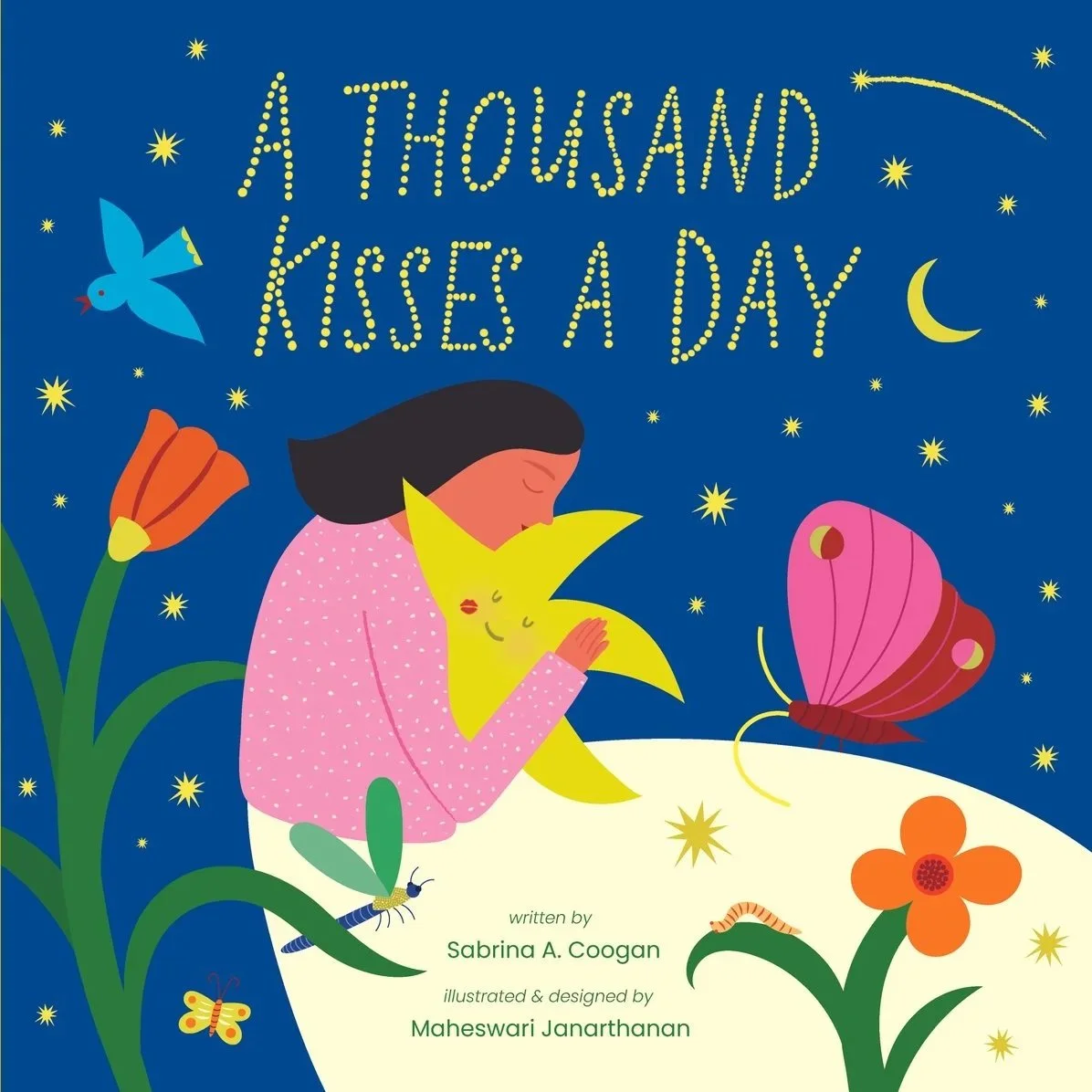
We hope A Thousand Kisses a Day brings you and your loved ones comfort and joy. We thank you in advance for your support!
More on Pontocerebellar Hypoplasia Type 6 (PCH 6)
Pontocerebellar hypoplasia type 6 (PCH6) is a rare, inherited neurodegenerative disorder that affects brain development, particularly the pons and cerebellum. These areas are responsible for coordination, movement, and vital functions. It belongs to a group of conditions called Pontocerebellar hypoplasia, which are characterized by underdevelopment (hypoplasia) of these brain structures. There are currently 15 different types and type 6 is one of the mores severe.
PCH6 is caused by mutations in the RARS2 gene, which provides instructions for making a protein involved in mitochondrial function and protein synthesis. The disorder is typically inherited in an autosomal recessive pattern. This means that both parents must have a mutation in the RARS2 gene and pass it to their child for the child to have PCH6. Any future children have a 1-in-4 chance of having PCH6.
Infants with PCH6 often show symptoms soon after birth, including severe developmental delay, low muscle tone (hypotonia), seizures, feeding difficulties, and problems with breathing or movement. As the condition progresses, many children develop profound neurological impairment.
There is currently no cure, and treatment focuses on supportive care—such as seizure management, nutritional support, and respiratory care—to improve quality of life.
Important note: Parents, we highly recommend finding a Facebook page for your childs disease. The literature available to doctors isn’t always accurate. We found more kiddos with Rocky’s disease than our doctors knew about and we got a better idea of the spectrum of the condition that Rocky would fall under. The hardest part is waiting to see where on the spectrum your child might fall, BUT that does not mean you give up and accept the worst-case scenario. Doctors can be wrong and can have a skewed perspective. Keep rooting for your baby!
Things That Have Helped Rocky
We believe that every kiddo is different. What we mean is that, behind the disease is Rocky. She is determined, happy, and loves to accomplish things. She figures things out at her own pace, and it’s important to remember that everybody's pace is different. We capitalize on her strengths and work on strengthening her weaknesses. Over time, we have found that Rocky loves music, going on walks, being around people, and moving her body. Her face brightens up when she pushes herself to do hard things, and it’s magical to watch! Here is a list of important things that have helped Rocky:
Early intervention with physical and occupational therapy
ADVOCATING: Don’t let doctors make you feel small. This is YOUR child. Ask all the questions you need and follow your gut instinct. Switch doctors if need be.
Early intervention with a mitochondrial doctor (ask about Cyto-Q max and Arginine)
Finding time to heal and strengthen ourselves so we can be better for her
Click the link below for specific equipment and toys that have helped Rocky!